
Truth and Reconciliation Space Mural
DESIGN • ILLUSTRATION • ENGAGEMENT
Service Areas: Engagement & Creative
-
IABC Silver Leaf Award of Merit, Diversity, Equity and Inclusion
Client
University of Alberta - Faculty of Rehabilitation Medicine
Year
2024
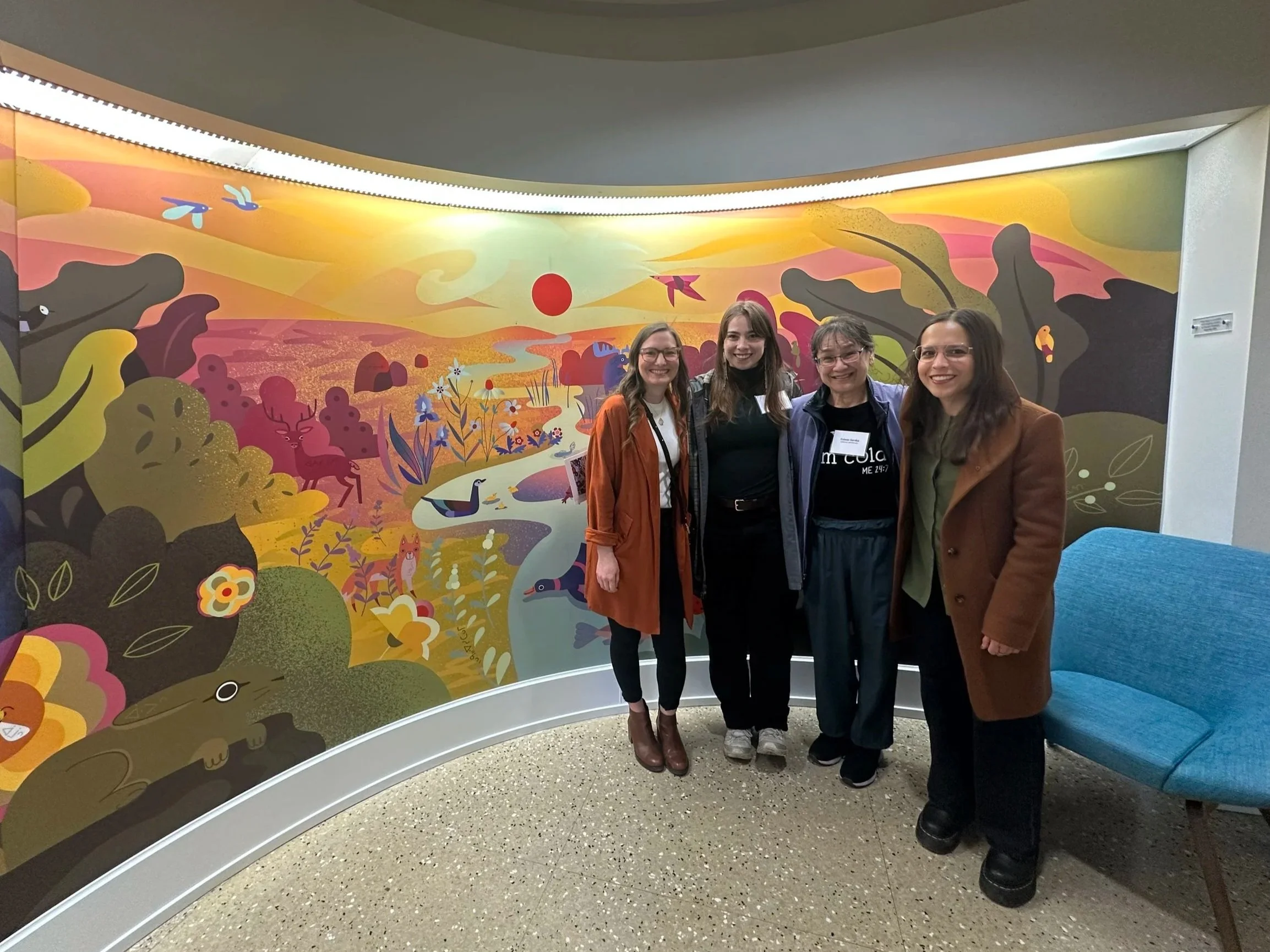
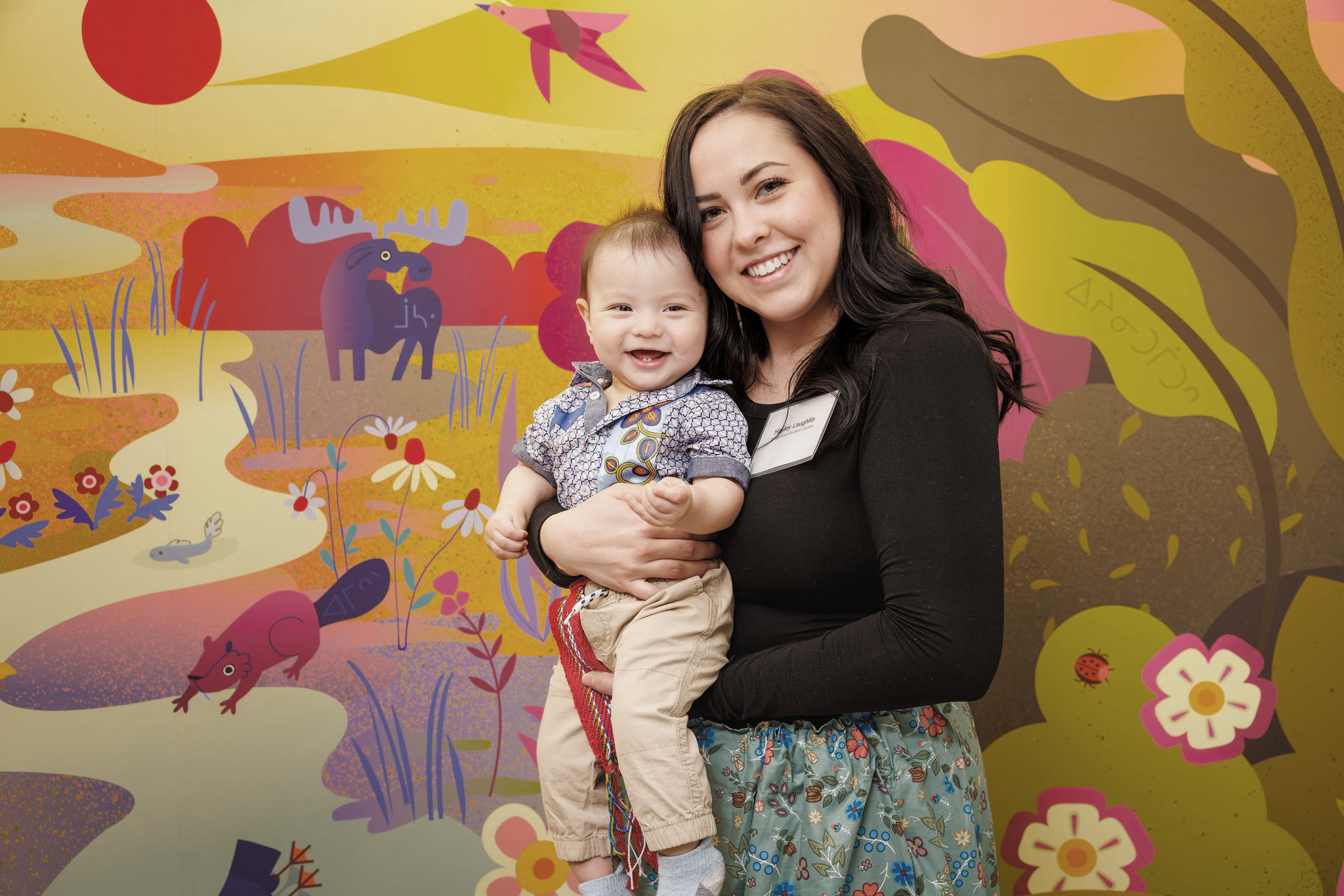
Unveiled in March 2025, the completed mural transformed the space into one of connection and healing. More than a visual enhancement, it sent a powerful message: This is a place where all students—especially Indigenous students—are seen, supported, and valued.
The University of Alberta Faculty of Rehabilitation Medicine recognized a disconnect between their values and the student experience in a key communal study space. To bridge this gap, the faculty sought to create a mural that would enhance well-being, reflect Indigenous ways of knowing and being, and foster a sense of belonging—while also supporting reconciliation. Initially focused on mural design, the project evolved to include meaningful engagement with Indigenous students to ensure cultural sensitivity and inclusivity. Our team developed concepts incorporating therapeutic space principles and Indigenous perspectives, then facilitated discussions with students, faculty, and Elders to refine the final vision.

Our Approach
The Faculty of Rehabilitation Medicine expressed a desire to theme the mural around reconciliation and to have a common space for warmth, rest, socializing and emotional support in a high-stress academic environment. We prepared three design concepts that incorporated therapeutic space fundamentals and Indigenous ways of knowing and being. We then conducted engagement with students, staff and faculty where we used visual prompts and open discussion to gather input on the concepts. Guided by feedback, we refined the final design in collaboration with Elders and students, inspired by their vision for the new space.
The solution was a student-informed design that transformed an institutional common area into a warm and welcoming opportunity to engage in Indigenous culture and reconciliation.
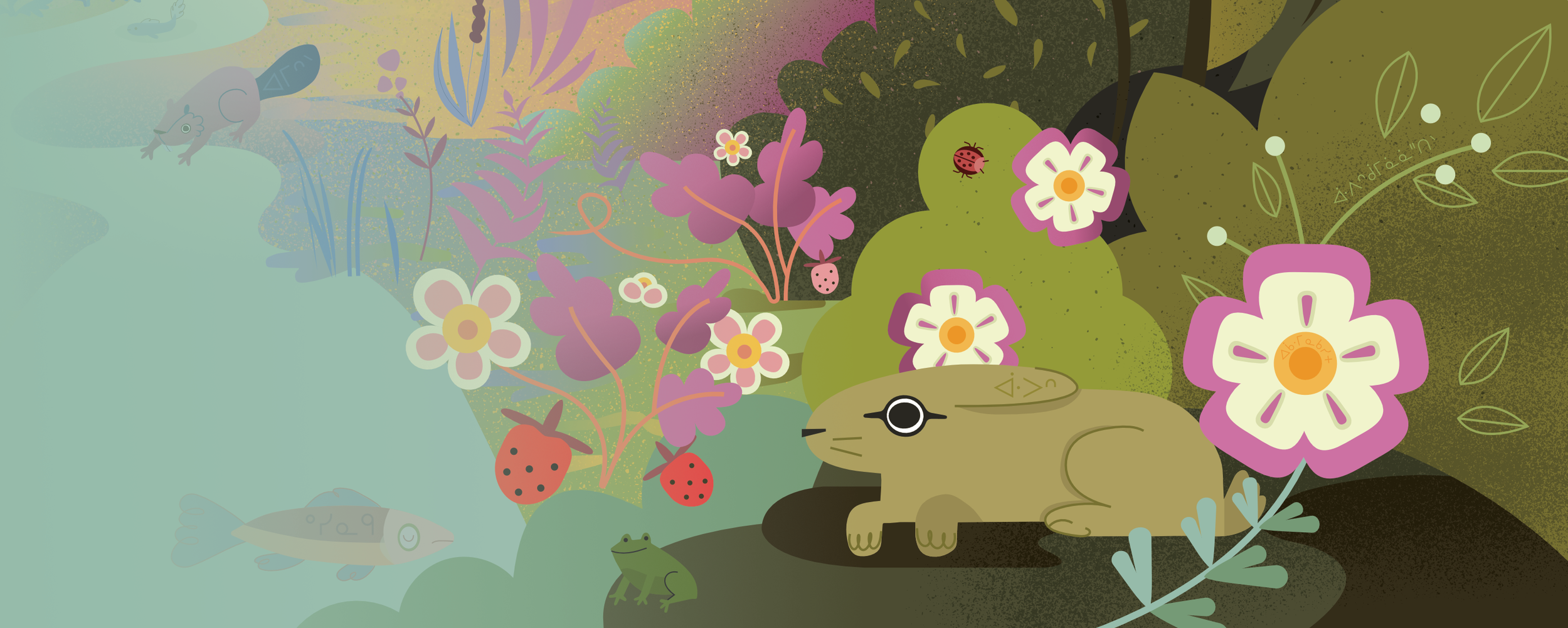
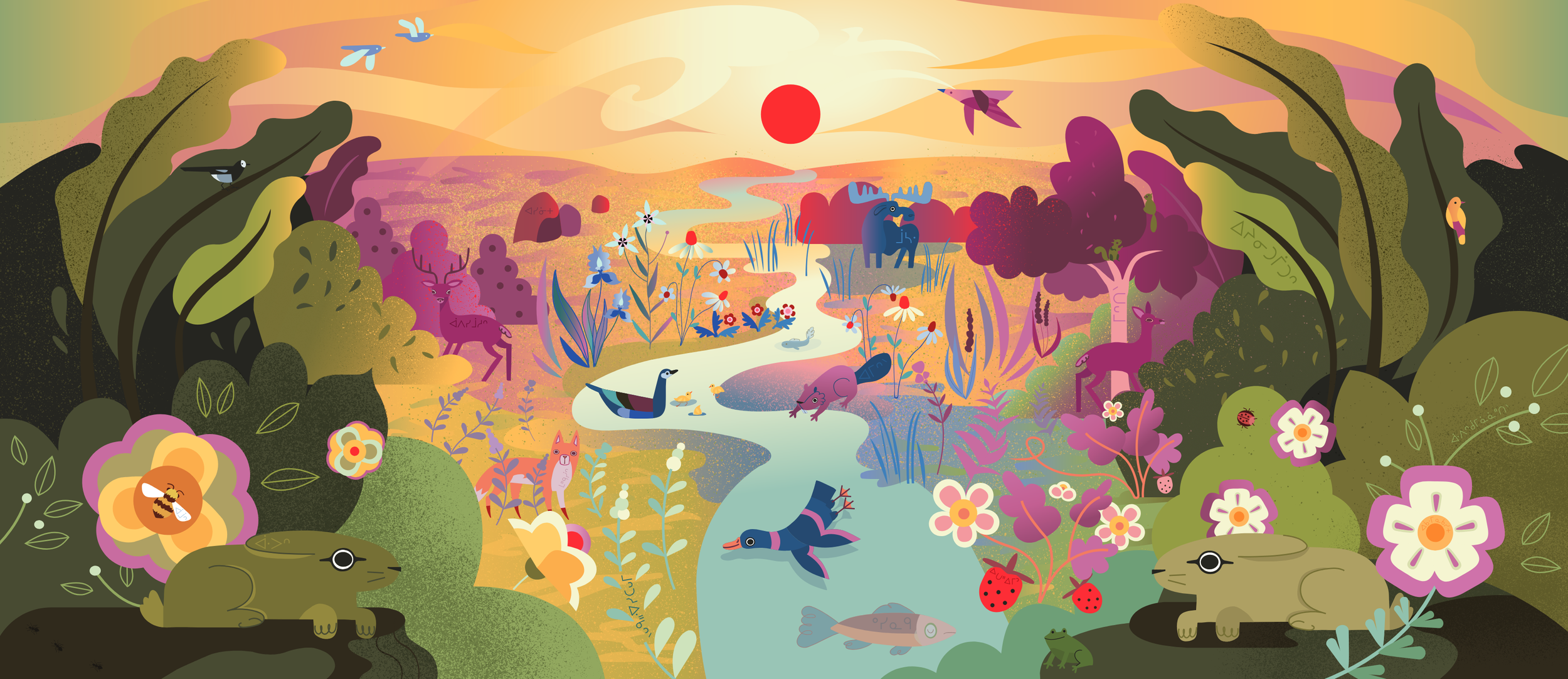
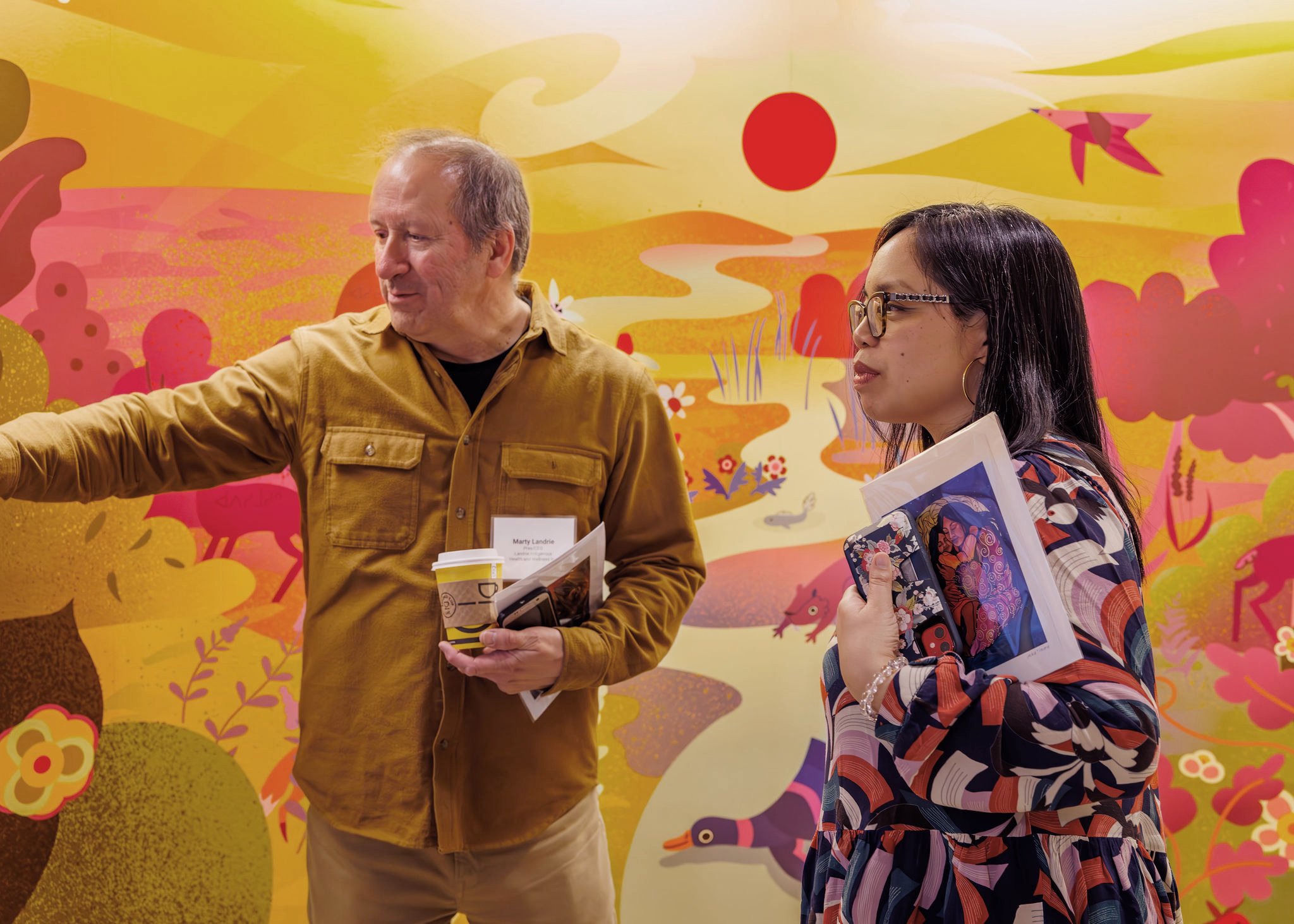
We used the student feedback, best practices from rehabilitation medicine, and guidance from Elders to refine the mural design concept, Stories from Mother Earth– a colourful, illustrative river valley scene. Our preliminary research validated the design, finding that:
Environmental psychology and colour theory supported the use of warm, bright tones to improve mood and cognitive engagement
Land-based healing and reconciliation practices showed the importance of visual recognition of Indigenous connections to land and culture
The Kawa Model, a Japanese healing model in rehabilitation medicine which uses the metaphor of a river to represent human life, aligns with Indigenous worldviews and holistic care
Tree and circle symbolism drawn from community feedback resonated deeply with Indigenous students and Elders.
Outcomes:
Visual elements reflected Indigenous relationships to land and healing, drawing on the Kawa Model, the Peace Tree, and natural cycle. The unveiling ceremony for the Space of Truth and Reconciliation mural was held on March 21, 2025 at the Faculty of Rehabilitation Medicine. The event included faculty, staff, leadership, students, our team and Elders from the community.
After some departmental turnover, the client recognized the opportunity to rebuild trust with Indigenous students throughout the design process. The opportunity to support a network of Indigenous students who may not otherwise have the opportunity to connect with their faculty excited our team and our client. We recognized that personalized outreach and low-barrier engagement methods, like informal sessions and visual discussions, would help foster authentic participation. In planning the engagement, we applied a methodology called keeoukaywin, or 'the visiting-way' in Cree, which emphasizes the importance of both relationality and interconnectedness between researchers and those they research, to build lasting relationships rooted in trust and reciprocity. This made for a safe space that allowed for open conversation and a comfort level that allowed participants to feel okay with sharing both the strengths and challenges of each concept. The mural was an important first step in the Faculty fostering stronger relationships with their students.
Faculty and staff have noticed an increase in use of the space for studying, rest, and informal connection. They have shared that the emotional tone and atmosphere of the space feels warm, welcoming, and celebratory. The inclusion of Cree language and natural imagery has resonated with Indigenous students and staff but also all people who enter the space.